
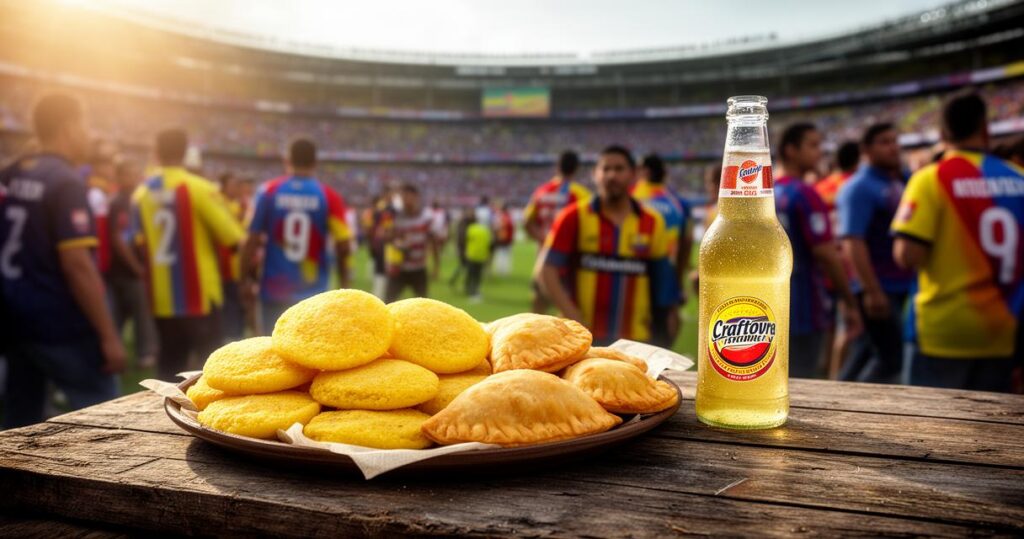
Colombia's football scene is a whirlwind of colour, noise and passion that draws visitors from all corners of the globe, and if you're planning a trip to catch a match, there's a fair bit worth knowing before you turn up at the ground. From navigating ticket sales to soaking up the terrace culture, attending a game in cities like Bogotá, Medellín or Barranquilla is an experience that goes well beyond ninety minutes of football. Many travellers also like to place a wager here before kick-off, adding a bit of extra spice to the occasion, so understanding both the practical and cultural side of match day will help you make the most of it.
What to know
- Purchasing tickets for Colombian football matches is best done through official club websites, though international fans may need local assistance due to registration requirements.
- Physical stadium box offices remain a reliable option for last-minute tickets, especially in smaller cities or when seeking advice on the safest seating sections.
- Stadium seating varies from affordable terrace areas, known for intense fan chanting and drumming, to more comfortable and calmer designated sections.
- Colombian match days are characterized by passionate supporter groups, street vendors, and a high-energy atmosphere that lasts well beyond the ninety minutes of play.
- Fierce rivalries, such as the Clásico Paisa, significantly increase ticket demand and intensify the cultural experience, requiring early planning for prospective visitors.
- Safety is a priority, with strict separation between home and away supporters and vigilant stewarding during matches involving fireworks or smoke displays.
Securing your match day tickets in colombia
Where to Purchase Football Tickets and Official Channels
Getting your hands on tickets for a Colombian league fixture is generally straightforward, though it pays to plan ahead, particularly for high-profile clashes. Most clubs sell through official online platforms, and it's always worth checking the team's website first before turning to third-party resellers, as prices there can be inflated and authenticity isn't guaranteed. Ticketing services such as those used by clubs like Atlético Nacional or Millonarios often require a local identification number for registration, which can catch overseas fans off guard, so it's sensible to sort this out with a hotel concierge or local contact well before the big day. Physical box offices at the stadium do exist and remain the safest bet for last-minute purchases, especially in smaller cities where online systems are less developed. Buying in person also gives you a chance to ask staff about the safest sections for visitors, which is handy if you're unfamiliar with the ground.
Ticket pricing and stadium seating categories
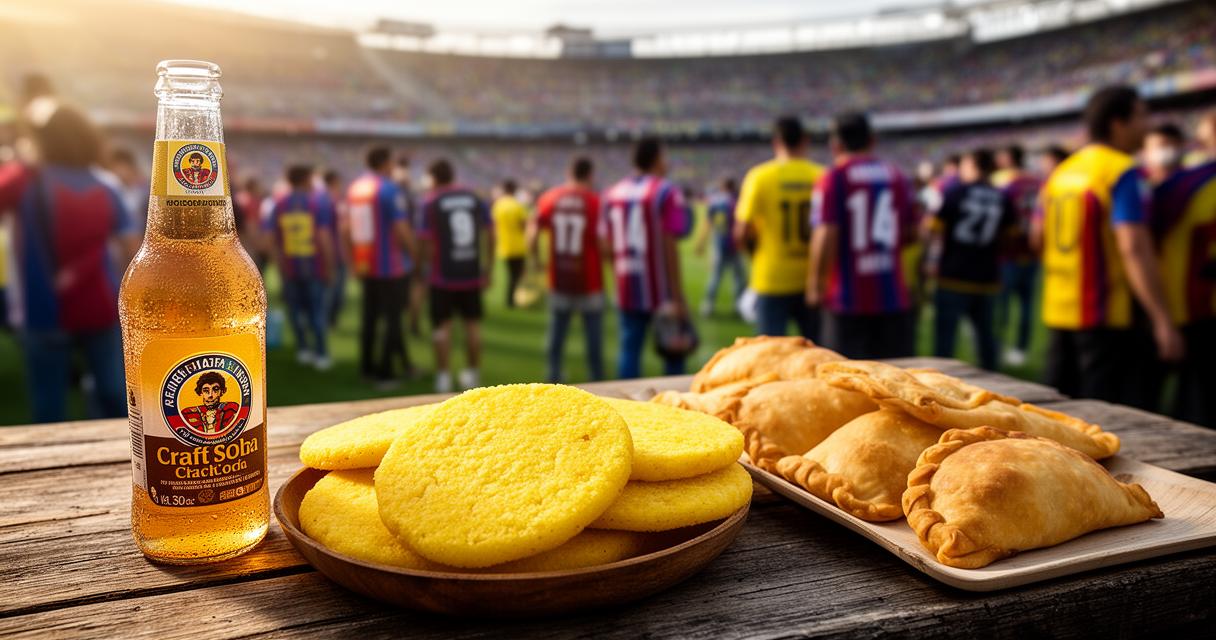
Prices vary enormously depending on the fixture, the city and how close you want to sit to the pitch. A regular league match might cost a fraction of what you'd pay for a fiercely contested derby, and categories typically range from general terrace areas, known locally as tribuna, through to more comfortable seated sections with better views and facilities. The atmosphere in the cheaper standing sections tends to be the most intense, packed with drums, flags and constant singing, while the pricier seats offer a calmer vantage point if you'd rather watch without being swept into the chanting crowd. It's worth noting that some stadiums separate home and away supporters quite strictly, so double-check which end you're buying into if you have any allegiance, however casual, to one of the sides.
The electric atmosphere of colombian football culture
Match day traditions and fan experience
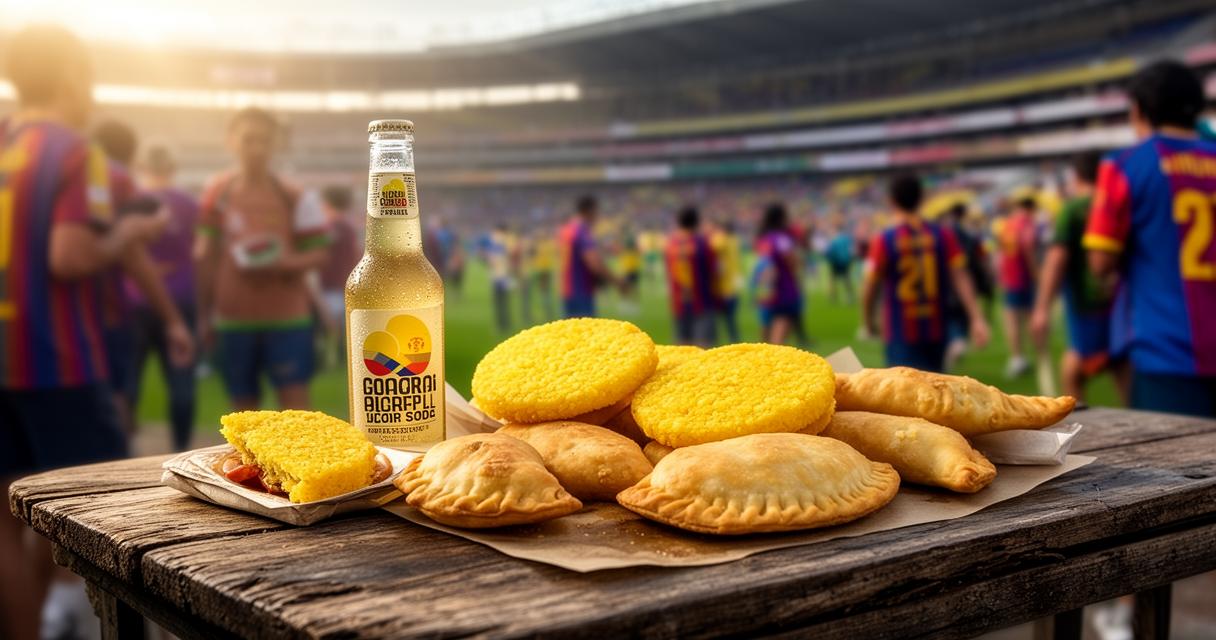
Colombian football fans, often organised into passionate supporter groups called barras bravas, bring an energy to the stands that's hard to replicate anywhere else. Long before kick-off, streets surrounding the stadium fill with vendors selling shirts, scarves and street food, while drumbeats and chants ripple through the crowd building anticipation. Once inside, expect a non-stop wall of noise, coordinated songs and enormous flags being waved throughout the entire match, regardless of the scoreline. Fireworks and smoke bombs occasionally feature too, adding a dramatic visual layer to proceedings, though stewards keep a close eye on safety given how boisterous things can get. For visitors, the sheer intensity can be overwhelming at first, but it's also infectious, and most fans are welcoming to outsiders who show genuine interest in the local club and its history.
Understanding colombian football rivalries and derby matches
No discussion of Colombian football culture would be complete without mentioning its fierce derbies. The clash between Atlético Nacional and Independiente Medellín, known as the Clásico Paisa, regularly transforms Medellín into a sea of green and red, with tensions running high both on and off the pitch. Meanwhile, in the capital, Millonarios and Santa Fe contest a rivalry steeped in decades of history, drawing huge crowds whenever the two sides meet. These derby fixtures are typically when ticket demand peaks, so if you're hoping to attend one, booking well in advance and arriving early is essential. Beyond the big city rivalries, regional pride runs deep across the country, meaning even smaller fixtures can carry surprising weight for local supporters. Attending one of these matches offers a genuine window into Colombian identity, where football is stitched into the fabric of everyday life rather than being just another weekend pastime.