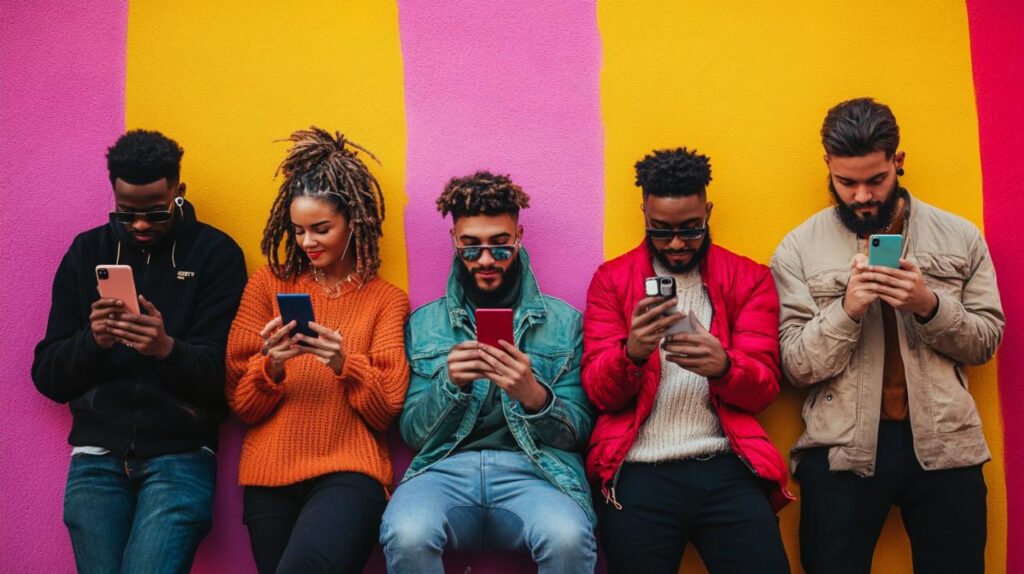
In recent years, the ways we communicate and present ourselves have undergone profound transformations that reflect modern trends in lifestyle and society. The rise of digital platforms has not only altered how we interact with one another but has also introduced new dimensions to the way we express emotions, share experiences, and curate our identities. As the boundaries between physical and virtual worlds blur, understanding these shifts becomes crucial for navigating contemporary life and appreciating the nuances of human connection in an era dominated by screens.
The Evolution of Non-Verbal Communication in the Digital Age
Non-verbal communication has long been a cornerstone of human interaction, allowing us to convey emotions and intentions without uttering a single word. Historically, body language, facial expressions, and gestures have provided rich layers of meaning in face-to-face encounters. However, the digital revolution has prompted a reimagining of these silent signals. As more of our daily exchanges migrate to online spaces, traditional non-verbal cues are being adapted and, in some cases, entirely reinvented to suit the constraints and possibilities of digital media.
How video calls have reshaped our physical cues
Video conferencing has become an integral part of both professional and personal life, especially in the wake of global events that necessitated remote communication. This shift has brought about a unique transformation in how we perceive and deploy physical cues. When speaking through a screen, individuals must adjust their body language to compensate for the limitations of a two-dimensional view. Gestures that might have been subtle in person can appear exaggerated or, conversely, go unnoticed altogether. Eye contact, once a straightforward indicator of engagement, now requires looking directly at the camera rather than at the image of the person on the screen, creating a disconnect that can feel unnatural. Moreover, the framing of video calls often focuses on the upper body and face, inadvertently reducing the visibility of posture and other lower-body signals that contribute to the full picture of our intentions and emotions. This constrained visual field has led people to become more expressive with their facial movements and hand gestures, adapting their non-verbal repertoire to ensure their messages are conveyed effectively despite the digital medium’s inherent limitations.
Emojis and GIFs as the New Body Language Online
As text-based communication proliferates across messaging apps and social networks, the absence of physical presence has given rise to a new visual vocabulary that serves as a substitute for traditional body language. Emojis and animated GIFs have emerged as powerful tools for expressing emotions, reactions, and nuances that words alone might fail to capture. These digital symbols bridge the gap left by the lack of tone and facial expressions in written exchanges, allowing users to inject humour, warmth, or empathy into their conversations with a simple icon or looping animation. The widespread adoption of these visual elements signifies a cultural shift in how we interpret and share feelings online. A well-chosen emoji can convey sarcasm, joy, or sympathy in a way that mimics the subtleties of a smile or a raised eyebrow in person. Similarly, GIFs drawn from popular films, television shows, or viral moments provide a shared cultural reference that enriches digital dialogue. This phenomenon underscores the adaptability of human communication, as people instinctively seek new means to maintain the richness of interpersonal exchanges even when separated by screens and distance.
Social media’s role in redefining human connection
Social media platforms have revolutionised the landscape of human interaction, offering unprecedented opportunities for connection while simultaneously raising questions about the authenticity and depth of these digital relationships. The transition from in-person gatherings to online networks has reshaped not only how we communicate but also how we perceive ourselves and others. In this evolving environment, the balance between genuine self-expression and the construction of idealised personas has become a defining feature of contemporary social life.
From face-to-face to screen-to-screen interactions
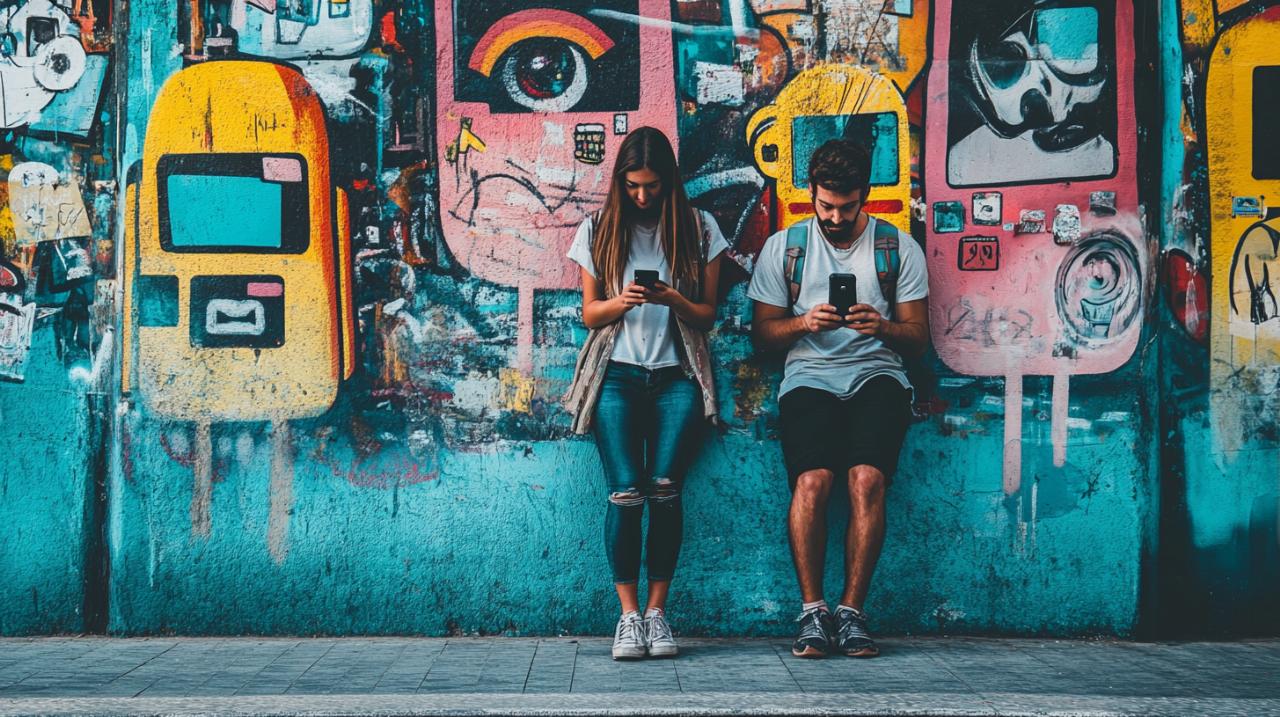
The migration of social interaction from physical spaces to digital platforms has fundamentally altered the dynamics of human connection. Where once friendships and communities were built through shared experiences in the same room, today many relationships are nurtured through likes, comments, and direct messages. This shift has democratised access to social networks, enabling people to maintain ties across vast distances and to forge new connections with individuals they might never have met otherwise. However, this convenience comes with its own set of challenges. The absence of physical proximity can dilute the richness of interpersonal bonds, as the spontaneous and unscripted moments that characterise face-to-face encounters are often replaced by carefully composed posts and polished images. The immediacy of digital communication allows for rapid exchanges, yet it can also create a sense of detachment, as the subtleties of voice, body language, and presence are filtered through the medium of the screen. This transformation prompts reflection on what it means to be truly connected in an age where much of our social life unfolds in virtual spaces.
The rise of authentic self-expression versus curated personas
One of the most striking features of social media is the dual nature of self-presentation it enables. On one hand, these platforms offer a stage for authentic self-expression, allowing individuals to share their thoughts, passions, and everyday experiences with a wide audience. On the other hand, the pressure to garner approval through likes and comments can lead to the cultivation of curated personas that prioritise aesthetics and popularity over genuine representation. This tension has significant implications for self-esteem and mental well-being, as constant exposure to idealised images can foster feelings of inadequacy and body dissatisfaction. The phenomenon is particularly pronounced among younger users, who are navigating formative years in an environment saturated with images that often represent unattainable beauty standards. Platforms such as Instagram and Facebook have become arenas where comparisons are drawn not only between oneself and others but also between one’s actual self and an idealised version projected online. Research has highlighted how this cycle of comparison can contribute to mental health challenges, including depression and eating disorders, as individuals internalise the gap between their lived reality and the polished narratives they encounter daily. Addressing these issues requires a multifaceted approach that includes fostering body positivity, promoting media literacy, and encouraging the representation of diverse body types and experiences. Interventions such as Cognitive Behavioural Therapy, mindfulness practices, and positive psychology have shown promise in helping individuals reconcile the discrepancies between how they see themselves and how they believe they should appear. By valuing people for their intrinsic qualities rather than their adherence to narrow beauty ideals, society can work towards a healthier digital culture that supports authentic self-expression and genuine connection.